
How do motor miniature metal contacts affect your every touch?
Have you ever experienced your phone’s vibration suddenly malfunctioning, causing you to miss important calls? Or perhaps your electric toothbrush’s vibration became inconsistent, leading to unexplained gum pain? You might have even had a beauty device lose power after only six months of use, reducing its massage function to a mere buzzing sound. These malfunctions often originate from a tiny but crucial component—the miniature motor metal contacts. Although it’s about the size of a fingernail, it serves as the “power heart” of all vibration feedback devices.
From the vibration feedback of incoming calls on mobile phones and the haptic alerts of smart wearables, to the dynamic response of electric toys and the precise triggering of automotive electronics, the presence of motor miniature metal contact is ubiquitous. Taking mobile phones as an example, the X-axis linear motors in high-end models achieve a crisp tactile feel when typing, which relies on the precise extension and support of the springs.
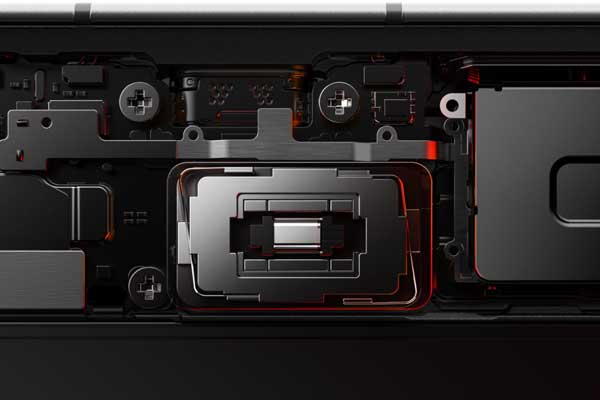
However, Manufacturers often face significant issues with this small metal spring contacts. During mass production, some springs experience a flatness deviation exceeding 0.01 mm, which can lead to motor start-stop jamming. Additionally, during drop tests, dynamic interference between the spring and the coil can cause wire breakage, with a failure probability of up to 15% after 300 roller drop tests. Moreover, the price of low-end and mid-range springs has decreased by 18% over the past five years. Some manufacturers have cut costs to maintain their profits, resulting in a decline in product quality. Meanwhile, high-end products are challenging to mass-produce due to technical barriers.
These pain points are not isolated cases, but rather a common “thorn in the side” for the industry. Fluctuations in raw material quality only exacerbate the problem; even a 0.02% deviation in the carbon content of steel can cause the spring to either crack or lack elasticity, ultimately leading to equipment vibration failure. For manufacturers pursuing quality, the dilemma of “low price, low quality; high price, difficult to sell” arises, as they must control costs while passing rigorous reliability tests. More importantly, consumers have increasingly higher demands for vibration feedback; even the slightest stutter or noise can cause a product to lose out in market competition.
The essence of industry anxiety stems from the urgent need for precision manufacturing capabilities.
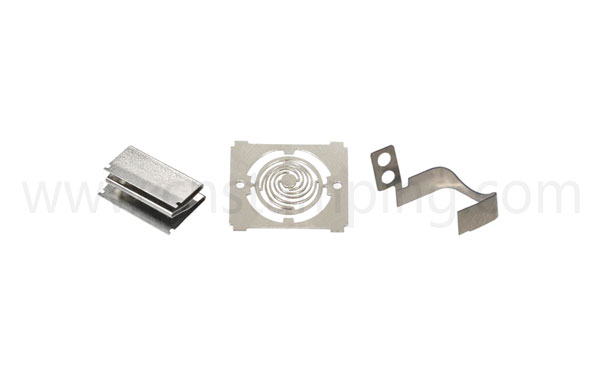
HejuStamping-China Top 3 Micro Precision Metal Spring Contacts Stamping and Forming Factory
Dongguan Heju Precision Electronics Technology Co., Ltd., as one of the top three companies in the global precision spring contacts field, has long been deeply involved in the core track of micro-motor metal contacts. Leveraging our experienced technical team and imported precision equipment, we ensure that our product performance indicators consistently rank among the top in the industry, earning consistent recognition from renowned brands such as Huawei, Samsung, and Apple. Facing the industry’s common challenges of precision, reliability, and cost, Heju Precision has developed mature overall solutions, using each high-reliability spring to solidify the stable operation of end devices, effectively alleviating customers’ core anxieties and fundamentally strengthening their product competitiveness.