
March 24, 2026
Three Major Hidden Traps when Choosing Battery Vent Valves for Electric Vehicles
The Precision Trap—Failing to Rupture When Necessary, Rupturing Randomly When Unnecessary
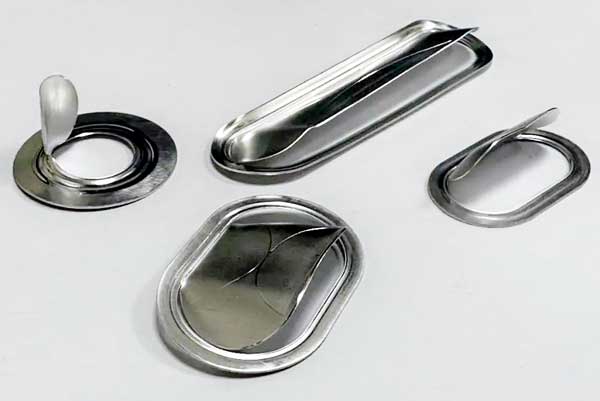
The mission of a battery vent valves is to burst with millisecond-level precision the moment the internal pressure within the battery cell reaches a critical threshold. However, while some products on the market specify a burst pressure tolerance of ±10%, the actual batch-to-batch deviation can be as high as ±30%.
- Excessive Pressure
During thermal runaway, if the internal battery pressure exceeds the structural limits of the casing while the explosion-proof diaphragm remains rigid and unresponsive, it ultimately results in a “ruptured pack”—a tragic scenario underscored by the 2024 battery factory fire in South Korea, which claimed 23 lives.
- Insufficient Pressure
Conversely, if the diaphragm ruptures prematurely under the normal vibrations of vehicle operation, the escaping electrolyte vapour can generate static electricity through friction with the valve components, directly igniting the battery.
- Key Considerations for Risk Mitigation
When selecting battery vent valves, it is imperative to require suppliers to provide data demonstrating batch-to-batch consistency, rather than relying solely on reports from individual samples. Prioritize suppliers that commit to high-precision manufacturing processes with a tolerance of ±5% or less.
The Materials Trap—Precipitous Strength Loss at High Temperatures Turns a Defence into a Weak Link
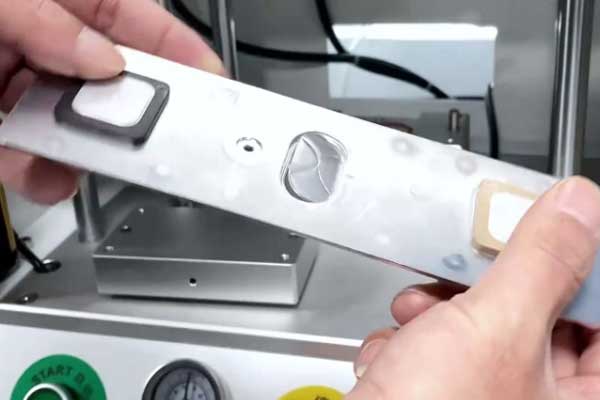
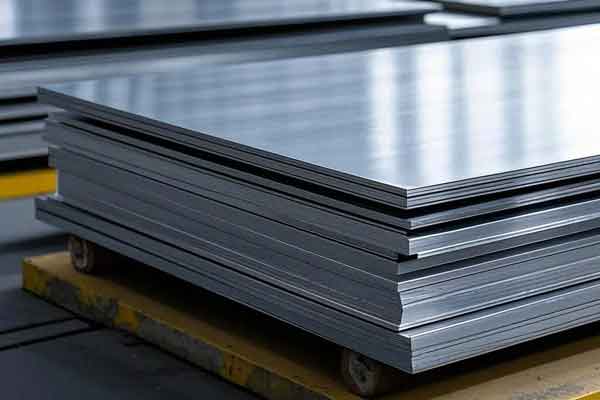
Many explosion-proof membranes claim to utilize stainless steel. However, standard stainless steel suffers a drastic decline in strength when exposed to the extreme temperatures (exceeding 500°C) generated during battery thermal runaway—a failure that prevents the membrane from rupturing when it is supposed to. In contrast, specialized alloy materials are capable of maintaining stable mechanical properties at high temperatures, thereby ensuring that the pressure-relief channel opens in a timely manner.
- A more insidious hazard is “fragment residue”
Fragments generated when substandard materials rupture can potentially clog pressure-relief vents or act as conductive media, thereby triggering secondary short circuits. In the 2025 Li MEGA fire incident, flaws in the explosion-protection system’s response logic were identified as a contributing factor to the fire spiralling out of control.
- Key Safeguards
Request high-temperature tensile test reports for the materials in question to verify their strength retention rates at critical temperature thresholds—such as 300°C and 500°C. Additionally, require suppliers to provide an analysis of the fragment morphology resulting from rupture to ensure the absence of sharp, conductive residues.
The Validation Trap—Flawless Lab Data, Utter Failure in Real-World Conditions
Some explosion-proof membranes yield perfect test results in standard laboratory environments; however, once installed in a vehicle, their performance rapidly degrades when exposed to complex operating conditions—such as salt spray and temperature cycling.
The new national standard mandates that, even after 300 fast-charging cycles, batteries must still pass external short-circuit tests without igniting or exploding. This implies that the explosion-proof diaphragm must possess “long-term stability.”
- How to avoid it?
Do not focus solely on initial performance. You must require suppliers to provide validation data demonstrating performance after comprehensive environmental aging tests—such as salt spray and high/low-temperature shock testing. Select partners equipped with automotive-grade testing capabilities to ensure reliability throughout the product’s entire lifecycle.
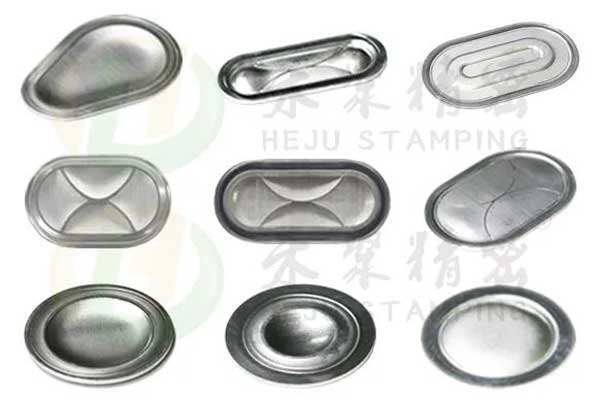
Dongguan Heju Precision Electronics Technology Co., Ltd. is deeply rooted in the field of precision metal stamping and stands as one of China’s earliest pioneers in the research, development, and manufacturing of battery vent valves for electric vehicles. Heju’s battery vent valves boast an individual pressure tolerance range of just 0.02 MPa—achieving a CPK value exceeding 2.0—and demonstrate batch-to-batch consistency far superior to the industry standard of ±5%. This ensures that the device “ruptures precisely when required, and never ruptures inadvertently.” Utilizing high-strength, heat-resistant aluminum alloys, our “zero-fragment” design effectively eliminates the risk of secondary short circuits. We serve as a consistent supplier to leading new energy battery manufacturers—including Sunwoda, CALB, and Gotion High-Tech—maintaining a daily production capacity in the tens of millions. We reject the “good enough” mindset; in the critical instant of thermal runaway, a mere 0.02 MPa pressure deviation can be the difference between life and death.