
Are the Housings of different Gas Sensors Designed Differently?
Why do some gas sensors come in housings that resemble “tin cans,” while others look like “precision-engineered boxes”? The answer lies in their respective operating principles.
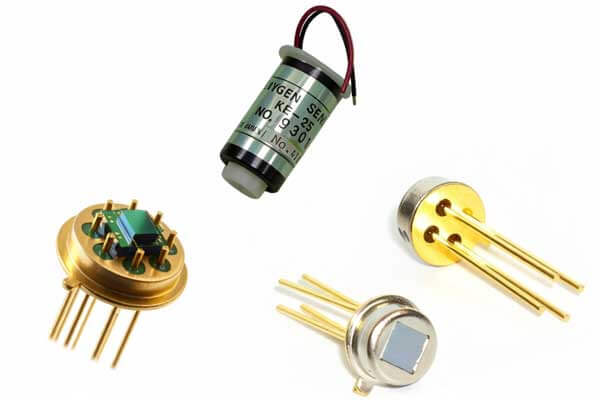
For the three primary types of gas sensors—combustible, electrochemical, and infrared—the targets they detect and their methods of operation differ, leading to distinct design philosophies for their housings. The sensor housing is crucial to the device’s stable operation; based on specific detection principles and application scenarios, each type follows its own unique design standards regarding structure, manufacturing, and performance.
Combustible Gas Sensors
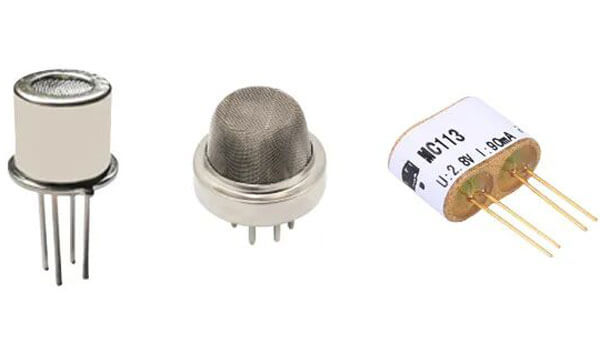 Such enclosures must incorporate ventilation channels equipped with flame-arresting structures, allowing gases to enter the internal cavity rapidly to ensure high sensitivity in sensor response. Simultaneously, they must provide explosion-proof protection: in the event of an internal explosion, the flames are cooled as they pass through the enclosure’s mating surfaces, preventing the ignition of any combustible gases outside and thereby averting safety hazards.
These enclosures are constructed from high-strength metal. The wall thickness and the dimensions of the ventilation apertures are precisely calculated to ensure a robust, impact-resistant, and heat-resistant structure. Making them suitable for a wide range of complex, high-risk operating environments.
Electrochemical Gas Sensor
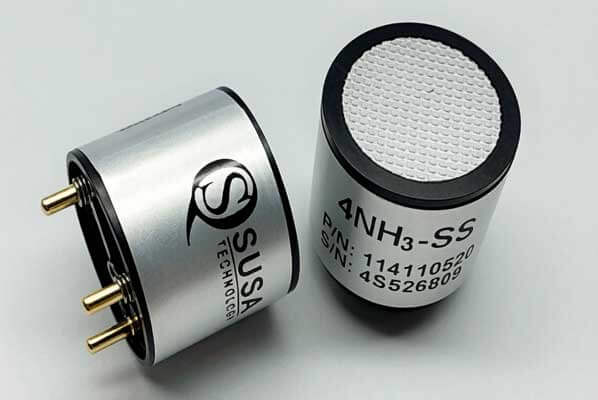
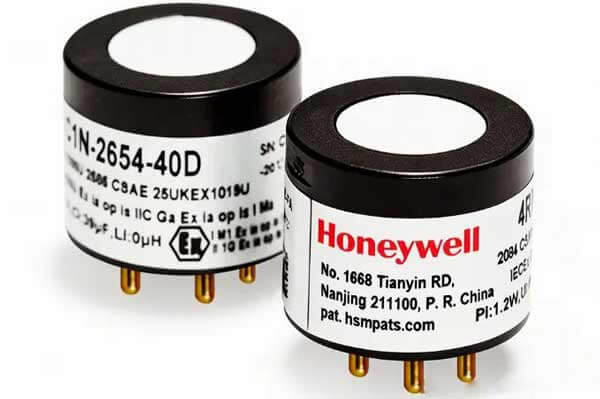
Electrochemical gas sensors are primarily used to detect toxic or hazardous gases such as carbon monoxide (CO) and hydrogen sulfide (H₂S); they are also employed in medical applications, such as the analysis of CO in exhaled breath. These sensors rely on an internal electrolyte to facilitate signal acquisition, making the design of their housing—specifically regarding sealing, humidity control, and corrosion resistance—of critical importance.
The electrolyte within these sensors is highly susceptible to external environmental interference. If the housing’s sealing precision is inadequate, it can lead to issues such as electrolyte evaporation, the ingress of dust or moisture, and electrode contamination—all of which directly cause device failure. Consequently, the metal housings for these sensors require exceptionally high precision in stamping and strict dimensional tolerances to ensure that no minute gaps exist.
Infrared Gas Sensor
Infrared gas sensors are primarily used in industrial gas analysis, environmental monitoring, and in-vehicle gas detection. These sensors operate on the principle of infrared light absorption; since they do not require direct contact between the gas and the core chip, the primary requirements for their housing are light-shielding, optical path stability, and a high degree of surface flatness.
To block interference from external stray light, the housing should incorporate a high-precision optical window. Besides, it also demands high flatness and robust resistance to deformation. Ensuring it can withstand structural shifts caused by vehicle vibrations and temperature fluctuations.
Sensors based on different operating principles require vastly different approaches to housing design: combustible gas sensors prioritize explosion-proof ventilation; electrochemical gas sensors focus on airtight sealing and protection; and infrared gas sensors emphasize the stability of the optical path. Many sensor failures are not caused by damage to the chip itself, but rather by compromised housing seals, poor material weather resistance, or flawed structural design—the quality of the housing directly determines the reliability of the sensor.
HejuStamping-Gas Sensor Housing Stamping Manufacturer
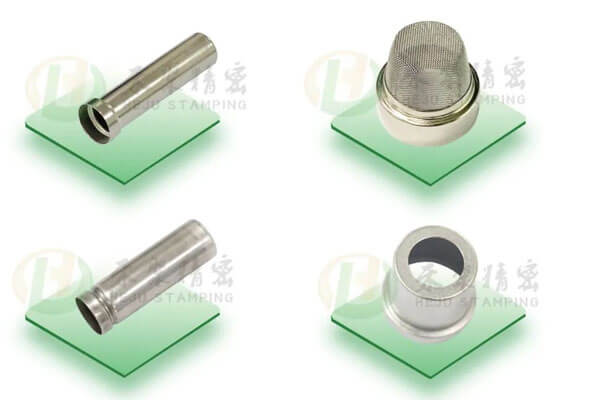
Addressing the various pain points encountered in sensor housing applications, Dongguan Heju Precision Electronic Technology Co., Ltd. specializes in the stamping of sensor housings, backed by robust R&D and mass-production capabilities. The company holds certifications including ISO9001, ISO14001, IATF16949, and ISO13485, with products that meet rigorous domestic and international standards. It provides one-stop metal stamping solutions for a wide range of sensors—such as those for gas, laser-based dust detection, and temperature—effectively resolving issues like seal failure, poor weather resistance, and structural design flaws.