
What do Press-fit Terminals Save for Automotive Manufacturers?
Carbon footprints must be calculated, energy consumption reduced, and the proportion of recycled materials increased. This pressure is cascading down the supply chain, reaching every individual assembly process. The press-fit terminal—a small component tucked away inside ECUs and BMS units—is helping automakers realize “hidden” cost savings.
The Shortcomings of Traditional Welding in the Context of Green Manufacturing
- Soldering is prone to defects such as “cold” (weak) joints or complete detachment, and the process generates hazardous fumes.
- Reflow soldering requires sustained high-temperature heating of the PCB, which is energy-intensive and necessitates the use of additional materials like solder and flux.
- Furthermore, the post-soldering cleaning process produces wastewater, while the resulting residues and exhaust gases pose risks to environmental compliance. In terms of carbon footprint accounting, all these factors translate into tangible compliance and production costs.
The Solution Offered by Press-Fit Terminals: Eliminating the Need for Soldering
Press-fit terminal pins represent a purely mechanical, cold-connection solution. The elastic structure in the center of the terminal is pressed into a metallized through-hole on a PCB; through mechanical deformation, it generates a stable, clamping force, creating a high-strength, low-impedance, and intimate metal-to-metal electrical contact. This process requires no solder, no flux, and no high-temperature reflow soldering, effectively replacing traditional soldered assembly for terminals at the very source of the manufacturing process.
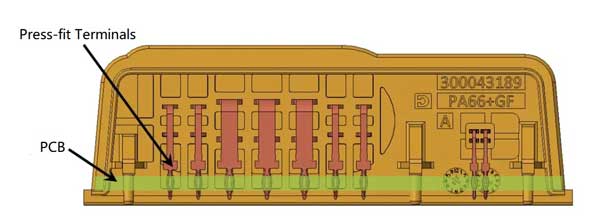
What Does it Save for Automakers?
Saves on Solder and Eliminates the Compliance Risks Associated with Lead
Since crimping requires no solder, it inherently avoids the environmental risks posed by lead-based solders. For automakers exporting to Europe, this significantly reduces the burden of providing evidence of RoHS compliance regarding lead content.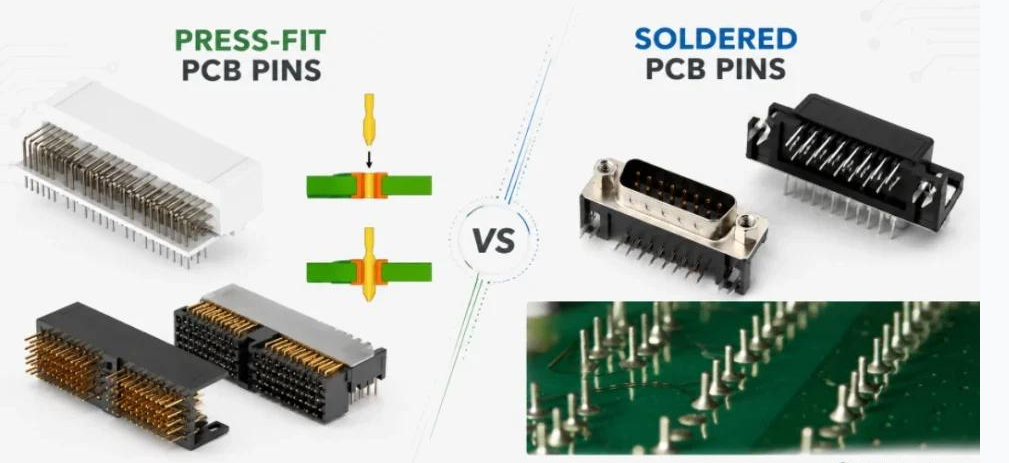
Eliminate Cleaning Requirements and Reduce Wastewater
Flux residues can lead to ionic contamination and electrochemical migration—issues that necessitate thorough cleaning for high-reliability automotive electronics in traditional soldering processes. In contrast, Press-fit terminal pins generate no solder dross or flux residue, preventing contamination at the connection point from the outset. In mixed-production environments, this approach significantly lowers the cleaning burden at these connection points, while also reducing the consumption of materials and the generation of wastewater and hazardous waste.
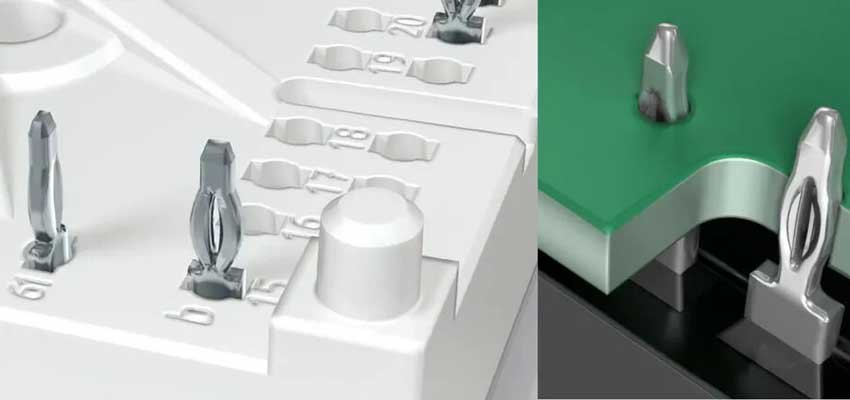
Energy Saving
Traditional reflow soldering ovens are high-temperature, continuous-operation equipment with high rated power consumption. In contrast, (press-fit) terminals utilize a cold-pressing process at room temperature. Focusing solely on the connection point, this method reduces energy consumption by over 80% compared to reflow soldering.
Reduction in VOCs and Welding Emissions
By completely eliminating the soldering process and the volatilization of flux, this approach removes welding fumes and volatile organic compound (VOC) emissions at the source, enabling precise, quantifiable reductions in VOCs for this stage of the manufacturing process.
Lower Maintenance Costs
With traditional soldered joints, any connection failure—and the subsequent desoldering required for repair—often risks damaging the PCB’s copper foil or through-holes due to high heat. In many cases, this necessitates scrapping the entire ECU/BMS motherboard, leading to high costs from the loss of components. Press-fit terminals, however, allow for the individual removal and replacement of a faulty terminal without damaging the PCB substrate. A new terminal can simply be inserted to restore the connection, avoiding the need to discard the entire circuit board and significantly reducing costs related to spare parts and labor.
HejuStamping-Pressfit Terminals/Pins Stamping Manufacturer
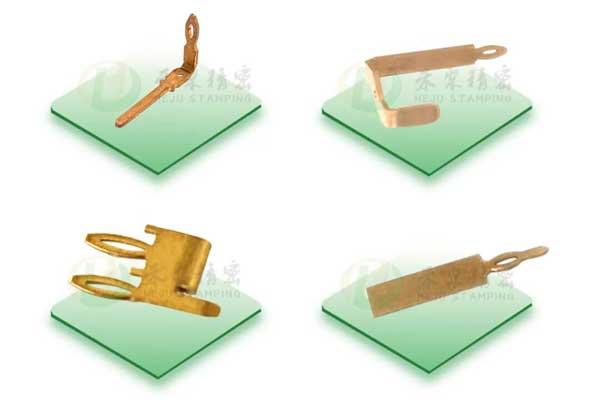
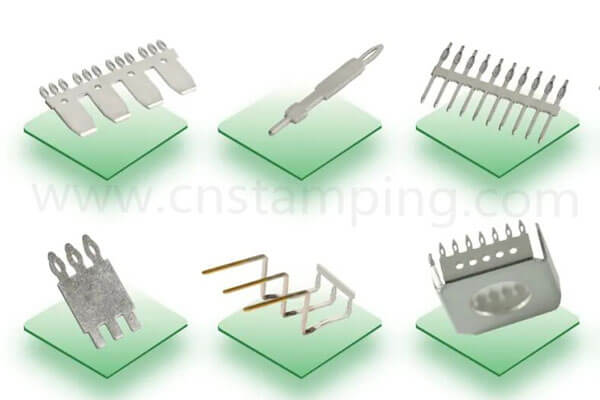
Dongguan Heju Precision Electronic Technology Co., Ltd., which is deeply involved in the field of automotive wiring harness terminals, is the supplier of this crimping solution. HejuStamping specializes in the R&D, design and production of fisheye terminals. It has held IATF 16949 quality management system certification since 2016. It has complete industrial chain capabilities from mold design and manufacturing to product delivery, and has established a complete quality inspection system to ensure product consistency throughout the entire process. Its products have been used in BMW, Wenjie, Xpeng, Geely and other models.