
Chip Aging Test Fixture Selection Guide: From Principles to Key Considerations
In the semiconductor industry, it’s said: “A chip untested for aging can’t be trusted for vehicle use.” This refers to chip burn-in testing. The tool used is the chip burn-in test fixture, commonly called a burn-in socket.
Many associate it with simply “a socket holding a chip at high temperature,” but engineers experienced in mass production testing know a critical principle: Selecting the wrong fixture can cause test data deviation, damage expensive engineering samples, or even extend the project timeline.
In this guide, we’ll outline how to select the right chip aging test fixture, highlight the critical factors that affect fixture performance, and clarify the main takeaways to help you make informed decisions for reliability and longevity.
Why Must Chips Indergo Aging Testing?
Beyond functional and scan chain testing, chips must undergo high-temperature dynamic aging prior to shipment. This process exposes latent manufacturing defects, including metallization migration, oxide layer traps, and weak bond connections. Such flaws might remain undetected at room temperature but are accelerated and revealed during high-temperature aging (typically 125°C to 150°C or higher) with active voltage bias. Only chips surviving this process can qualify for high-reliability automotive, industrial, and medical applications. Throughout aging, the test fixture is the sole physical interface between chip and burn-in board. Its contact reliability, thermal stability, and signal integrity critically impact the validity of test results.
What are the Core Components of a Good Aging Test Fixture?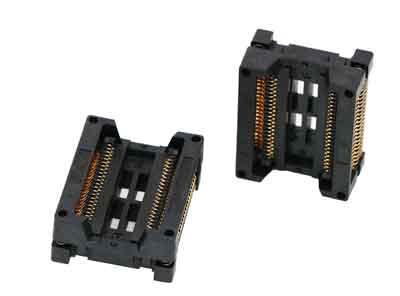
Regardless of surface morphology, chip aging test sockets universally comprise the following key components:
- Floating plate structure: Used to guide chip placement and reduce direct impact on pins.
- Contact probes: Typically spring-loaded (Pogo pins) or conductive rubber strips. Spring force, plating, and resistance consistency determine stability.
- High-temperature resistant insulator: Usually constructed from engineering plastics like PEI, PEEK, or LCP. Each material offers distinct heat distortion thresholds and long-term aging durability.
- Capsule and heat dissipation structure: Used to provide stable downforce and assist in heat dissipation—because the chip itself generates heat during aging, and improper heat dissipation combined with high ambient temperatures can lead to thermal runaway.
The fixture structures vary greatly depending on the packaging type. In real-world projects, there is no “one-size-fits-all” chip aging test fixture. Based on package type, common types include:
♦ QFP/SOP Aging Fixtures: Rely on floating probes around the perimeter for contact, requiring high surface flatness, suitable for medium to large-sized logic chips.
♦ QFN/DFN Aging Test Fixtures: Use bottom pad contact; probes must be vertically lifted, requiring high uniformity of downward pressure, otherwise edge pins are prone to poor contact.
♦ BGA Aging Fixtures: Use spring-loaded or conductive adhesive strip contact, requiring all solder balls to conduct simultaneously without damage.
♦ SiP/Module Aging Fixtures: Often involve multiple power supplies and signals; the fixture needs to consider high-current paths and temperature sensor interfaces.
Experienced semiconductor aging test fixture suppliers consistently deliver 1:1 contact simulation reports based on package drawings, ensuring precise fit and performance rather than simply asking how many workstations are needed.
How can you Choose a Reliable Supplier of Aging Fixtures?
Chip burn-in test fixtures may seem minor within the testing workflow, yet they directly dictate burn-in test efficacy and cost. A well-selected burn-in socket facilitates first-pass test success and prevents inaccurate results, while a poorly chosen fixture risks weeks of troubleshooting unreliable contact.
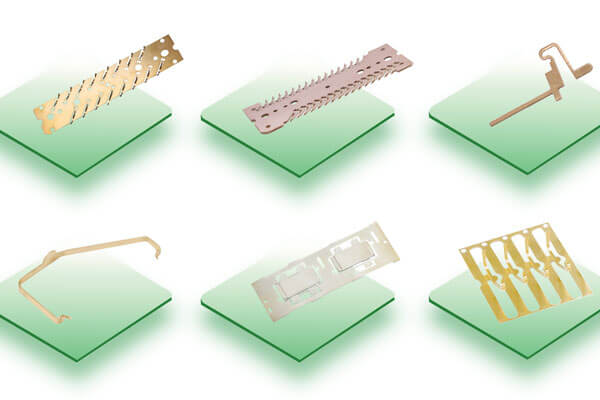
Dongguan Heju Precision Electronics Technology Co., Ltd., with over a decade of experience in the field of precision contacts, has long recognized the core anxieties of packaging and testing companies. As a professional manufacturer of chip aging testing fuxtures, Heju Precision’s offer clips with a complete range of specifications, long service life, and precise matching of the high requirements of advanced packaging in the AI era. They perfectly avoid the pain points commonly found in the industry, such as insufficient precision, unstable performance, and delayed delivery. With its solid strength, Heju Precision provides packaging and testing companies with the confidence to break through bottlenecks and seize the AI opportunity.