
Application of High Precision Metal stamping parts in the Medical Device Field
In modern society, the accuracy and dependability of medical devices are fundamental to patient safety. In this highly demanding industry, high-precision metal stamping parts hold critical importance. They serve as essential elements in medical devices and are pivotal in ensuring optimal performance.
High precision metal stamping parts, recognized for their meticulous engineering, reliable operation, and exceptional resilience, assume an indispensable status in the medical device sector. These parts, ranging from minute surgical tool components to robust structural elements of large equipment, consistently protect patient health.
The significance of high precision metal stamping is most evident in surgical instruments. Devices such as scalpels, forceps, and scissors require exactitude at the millimeter or micrometer scale in every aspect. These parts must deliver precise dimensions and flawless surfaces to minimize friction and tissue trauma during operations. Utilizing refined stamping techniques, these metal components reach exact shaping, resulting in sharper, more agile surgical tools and greatly enhancing surgical outcomes.
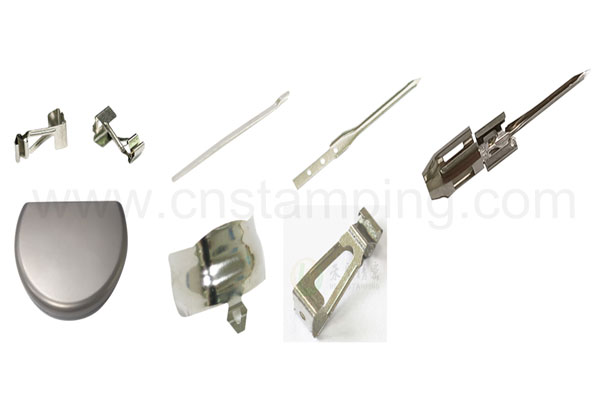
High precision metal stamping parts are equally essential in diagnostic equipment. For instance, the accuracy of parts like an X-ray machine’s grid or a CT scanner’s detector bracket determines diagnostic reliability. Their exactness ensures stable machine performance, empowering physicians with trustworthy data to deliver precise diagnoses and timely interventions.
Additionally, high precision metal stamping parts are increasingly utilized in rehabilitation devices. Wheelchairs, crutches, and walking aids incorporate stamped metal elements. These parts must meet exact dimensional standards and possess robust mechanical properties to guarantee strength and longevity.
Material selection is vital in manufacturing high-precision metal stamping parts. Medical device parts typically employ advanced materials like stainless steel and aluminum alloys, chosen for their biocompatibility, corrosion resistance, and mechanical excellence—meeting the strict demands of the industry. Manufacturers must also rigorously manage production environments to ensure quality consistency.
As the medical device industry evolves, production technologies for high-precision metal stamping advance as well. The integration of methods such as laser cutting, CNC stamping, and precision tooling markedly improves stamped part quality and accuracy. These advances lower production costs, boost efficiency, and foster medical device innovation.
In summary, the use of high-precision metal stamping parts in medical devices exemplifies the pinnacle of manufacturing excellence and underscores the value of human life. Continued technological progress ensures these components will further elevate the medical device sector and enhance contributions to public health.